Browse Recipes
Exploringrecipes from our community of cooks.
Exploringrecipes from our community of cooks.
Whisk egg yolks and sugar in a heatproof bowl over simmering water (bain-marie) for 5–7 minutes until pale, thick, and tripled in volume.
This step (zabaione) pasteurises the eggs and builds the airy, stable base for the cream.
Remove from heat. Allow to cool slightly, then fold in mascarpone until completely smooth with no lumps.
Bring mascarpone to room temperature first — cold mascarpone creates lumps that are hard to beat out.
In a separate clean bowl, whisk egg whites with a pinch of salt to stiff peaks.
Stiff peaks (not dry) are the goal — overwhipped whites fold in unevenly.
Gently fold egg whites into mascarpone mixture in three additions, preserving as much volume as possible.
This airy fold is what separates a great tiramisu from a dense, heavy one.
Mix cooled espresso with the liqueur. Quickly dip each ladyfinger in the espresso mixture — 1 second per side.
Do not soak. A soggy, disintegrating ladyfinger ruins the layers — just a quick dip is perfect.
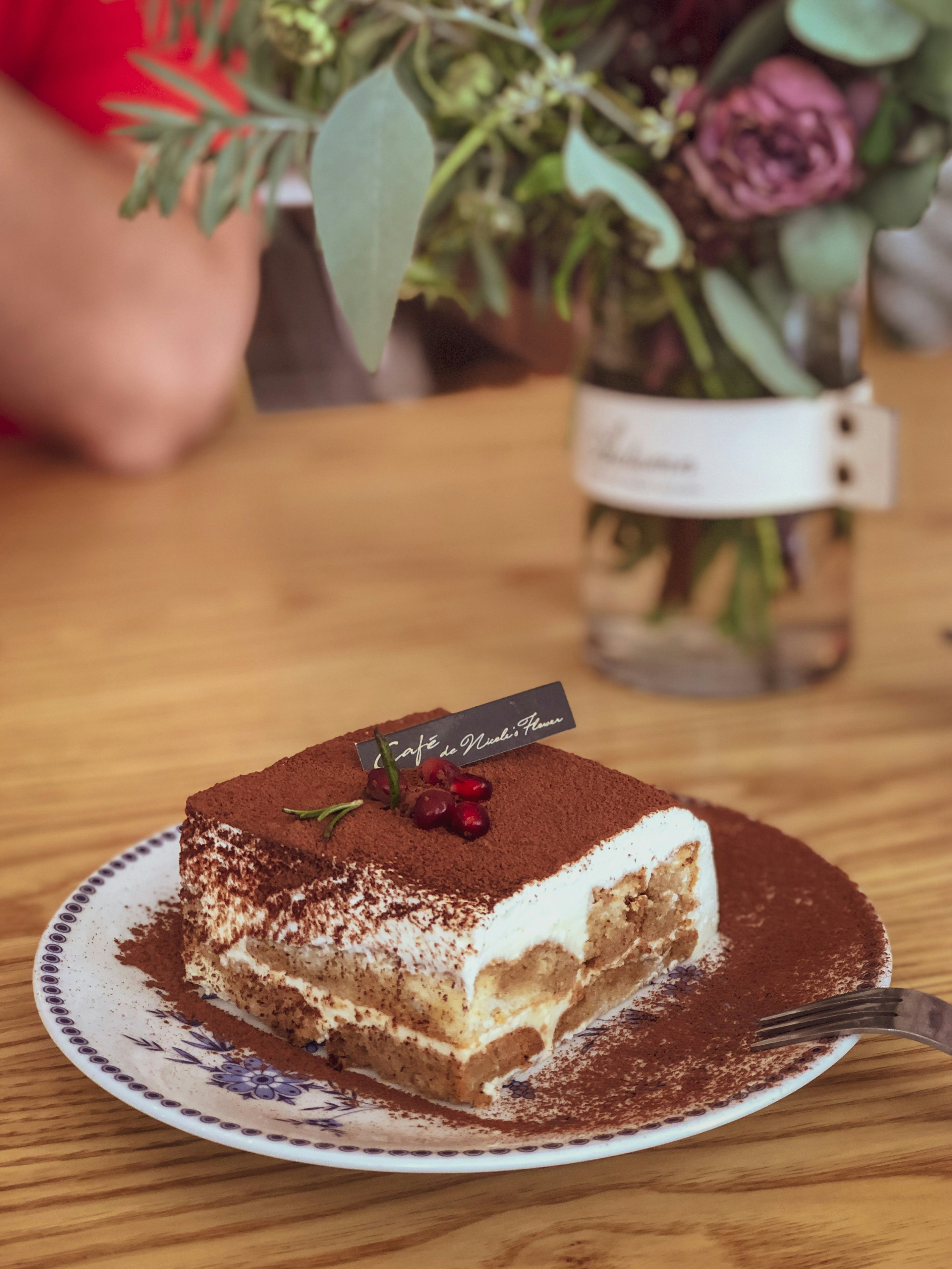
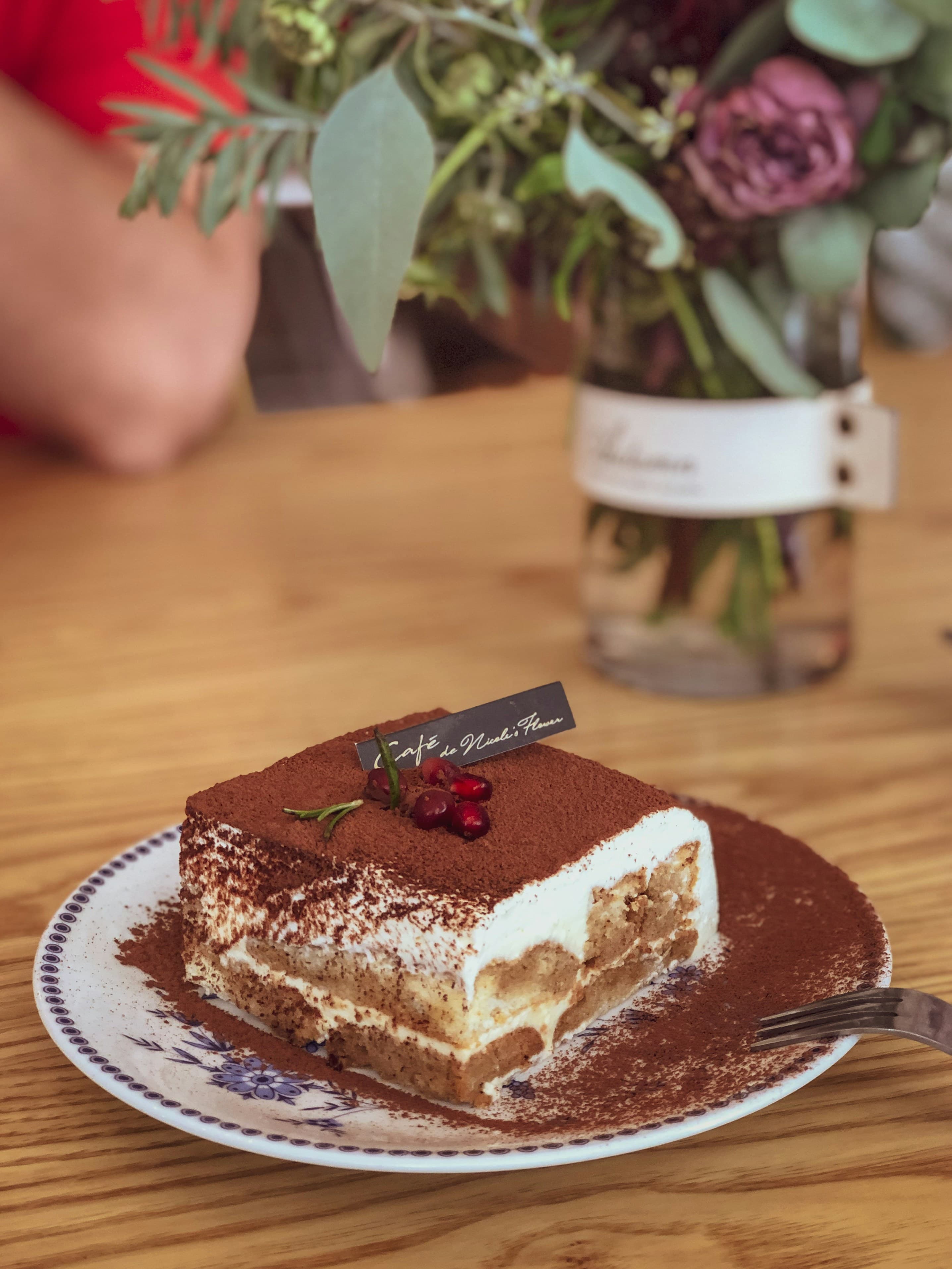
Layer soaked ladyfingers in a dish. Spread half the mascarpone cream over. Repeat for a second layer. Finish with cream on top.
Use a large flat dish for impressive layers — individual glasses also make a beautiful presentation.
Refrigerate for at least 6 hours, preferably overnight. Dust generously with cocoa powder just before serving.
The overnight rest is what makes tiramisu exceptional — the layers meld and deepen considerably.